

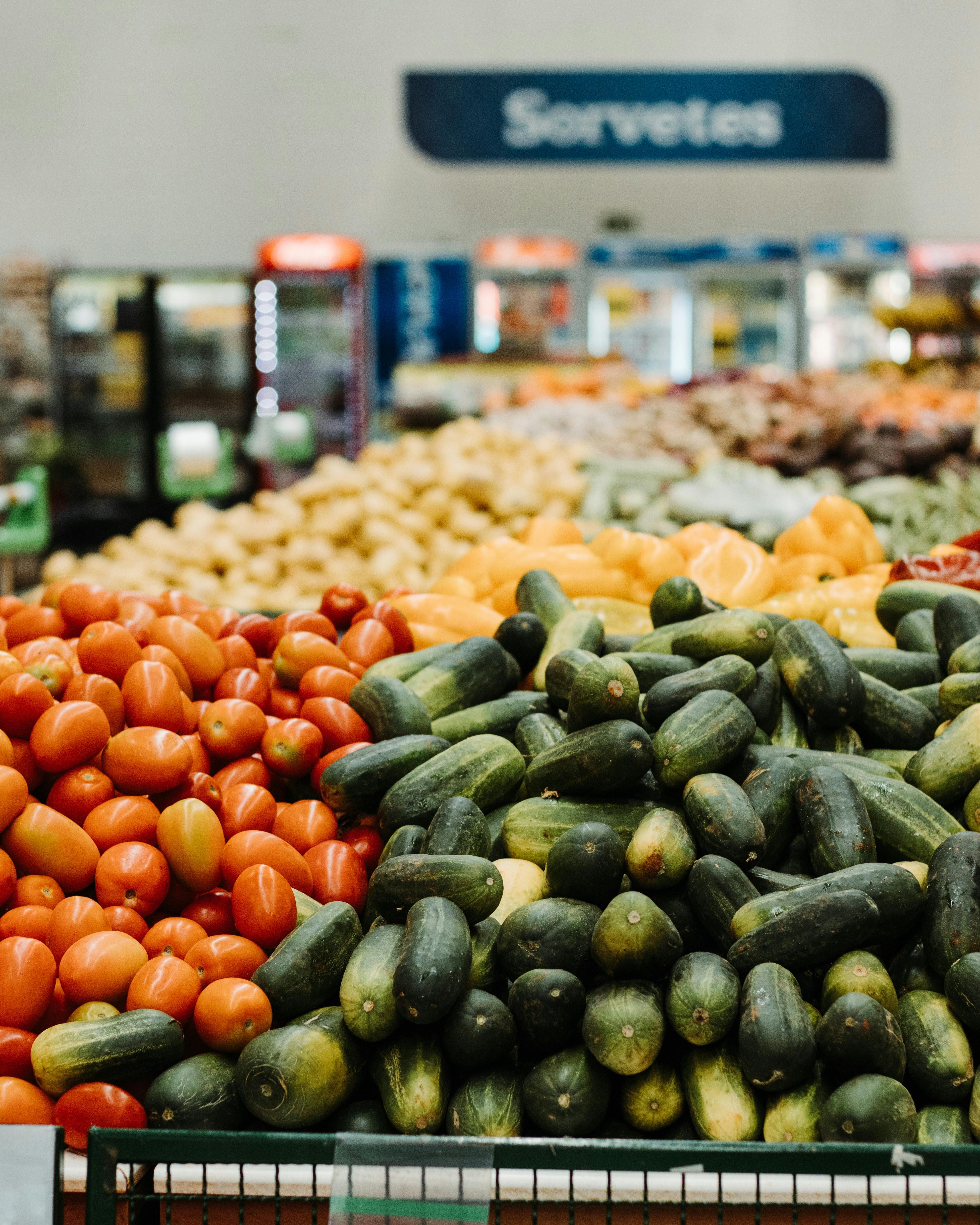
Imagine your great-grandmother at twenty-five, standing beside you in the supermarket checkout line.
She watches you place your groceries on the belt.
Some cookies in a plastic bag. Fruit yogurt. Juice. A protein bar. Cereal. A packet of crisps. A jar of pasta sauce. Something frozen that promises dinner in eight minutes.
She would recognize parts of it. Wheat. Milk. Fruit. Tomatoes. Potatoes.
But I wonder how long it would take before she asked:
Where is the food?
Not because people in the past ate better. They didn’t. Many diets were repetitive. Some people simply didn’t have enough. Food preservation was survival, not lifestyle.
But she would still notice something we’ve stopped noticing.
Much of what fills modern supermarkets is not food in the old sense. It is food-shaped product. Designed to survive shipping, sit on shelves, carry a brand, and be eaten quickly before being bought again.
We’ve lived with it long enough that a full shopping basket still feels like abundance. But something else is going on.
The receipt test
Try this once.
After your next supermarket trip, take a photo of your receipt and give it to an LLM. Ask:
What does this suggest about how I eat? What am I optimizing for? Which items are ingredients and which are finished products?
The answer might surprise you.
A receipt is a strangely honest document. It shows your real food system, not the one you imagine you have. You might think you mostly cook simple meals. The receipt might show yogurt pouches, snacks, sauces, frozen backups, sweet drinks, and small solutions to predictable moments of tiredness.
This isn’t a moral judgment. It’s just a mirror.
More eating, less feeling fed
Supermarkets offer more variety than any generation before us. Strawberries in winter. Avocados in Germany. Coconut yogurt, protein puddings, snack aisles that stretch longer than some people’s weekly menus.
You can eat constantly and still not feel like you’ve had a meal.
A bar in the car. A handful of something between meetings. A sweet coffee. A few bites standing in the kitchen. Something later, because the day never quite ended properly.
Enough calories. Sometimes more than enough. But not the sense of being fed.
That feeling is harder to fake. A bowl of stew has it. Eggs and bread have it. Rice, fish, vegetables have it. Beans cooked slowly with onion and garlic have it.
These foods don’t need claims on their packaging. They don’t need to announce themselves as high protein, guilt-free, or functional. They are simply food.
Meals end hunger. Products extend it.
A meal has an ending. You eat it, you feel done, and you move on.
Many modern food products are built around a different idea. They should be easy to start eating and slightly hard to stop. Crunchy, sweet, salty, soft, disappearing just fast enough that your hand goes back before your mind does.
The success of processed food isn’t only taste. It’s timing. It fits into distracted life.
Real food interrupts your day. Processed food fits inside it.
An apple asks to be eaten. A snack can be eaten while answering messages. Potatoes need cooking. Crisps need fingers.
At some point, industrial food moved from the edges of eating to its centre. And once it did, expectations changed. Food should now be instant, consistent, portable, always available. A proper meal starts to feel like effort.
We shop for moods, not meals
Walk through a supermarket and notice how little of it is organised around ingredients. Instead, it’s organised around situations.
Breakfast. Lunchbox. Movie night. On-the-go. Post-workout. Treat yourself.
A kitchen used to start with ingredients and end with meals. Now it often starts with moods and problems.
Something quick. Something comforting. Something the kids will eat. Something vaguely healthy. Something because the day was too much.
Food companies don’t just respond to this. They design for it. They know that late evening is not when you are looking for lentils. It’s when you are looking for comfort with no cleanup. They know tired parents will trade money for convenience. They know “healthy” eaters will accept dessert if it is labelled correctly.
This is not about purity
There are frozen meals in my freezer. There are emergency dinners. There are days when convenience wins because the alternative is not happening.
The point is not perfection. The point is noticing what modern eating quietly became.
So when you run that receipt through the LLM, the question worth asking isn’t whether the answer is flattering.
It’s whether it would make sense to your great-grandmother.
Not: Is this healthy? Not: Is this allowed?
Just:
Would someone a few generations ago recognise this as food?